Absence & Presence
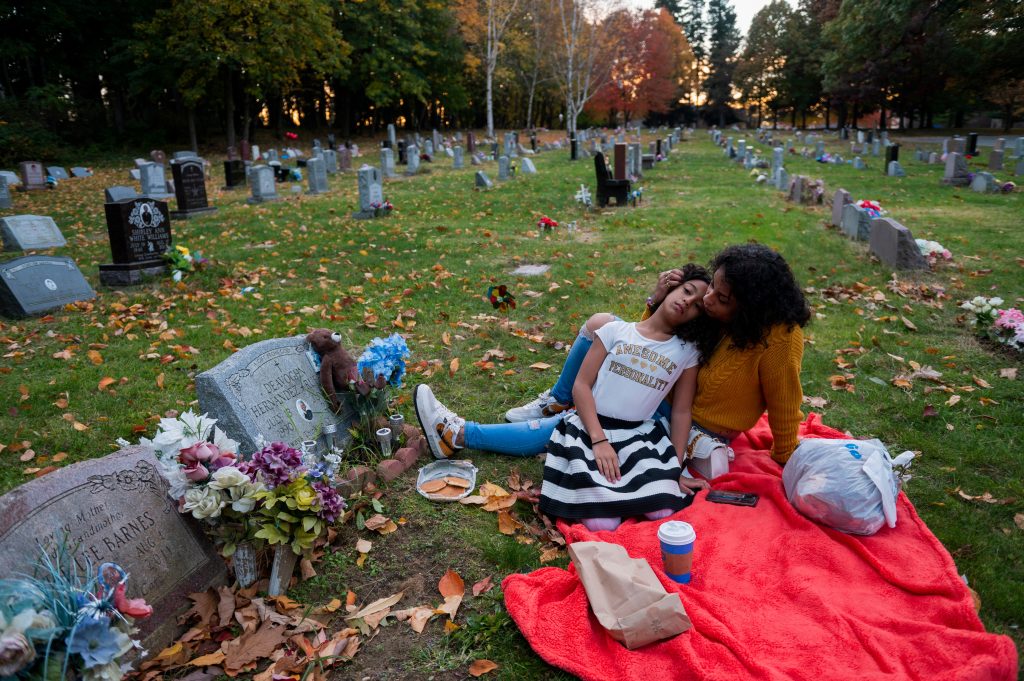
Raising my kids in this environment is sickening,” says Jasmin Vega, a mother of three children, rereferring to the high rates of gun violence in her native Rochester, N.Y.
In 2021, Rochester made national headlines as it surpassed Chicago for its per capita homicide rate, and while many Americans may attribute the spike in gun violence to the pandemic, bail reform, and a sense of lawlessness in urban centers, it is important to note that racial segregation plaguing neighborhoods for decades plays a critical role in the rise of community gun violence across the country.
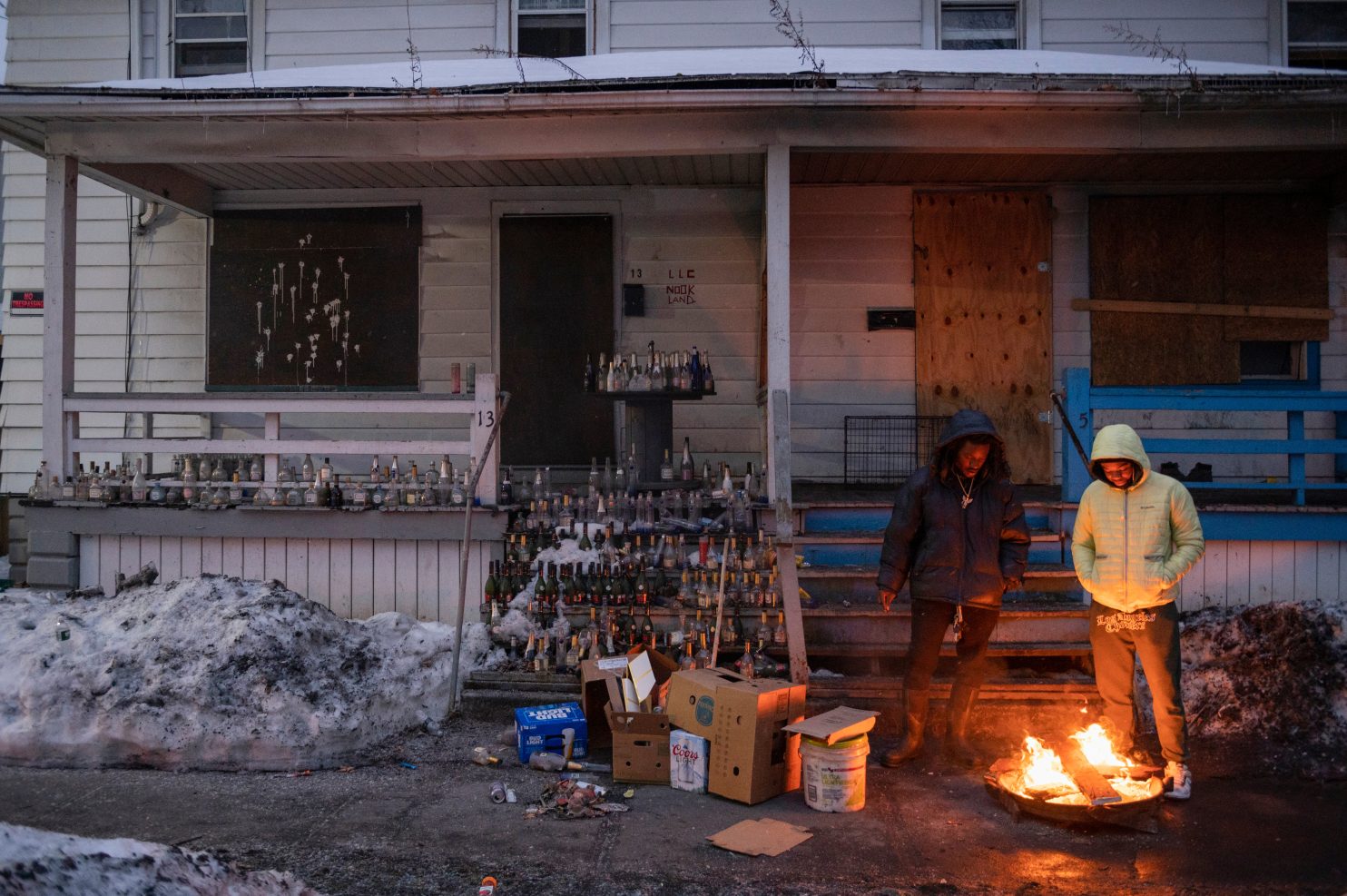
This strain of trauma brought on by gun violence within Rochester is largely not shared by its suburbs. It has been manufactured by a long history of racial, social, and economic differences, creating a stark contrast between communities that are just miles apart. “Rochester is just like any other city with the same demographics as us,” says Devon Reynolds, a longtime resident of the city. “This is all by plan, nothing is by chance. It is all systematic.”
“Absence and Presence” connects the rise of gun violence in Rochester to the city’s history of segregation, while showing the community trying to make a change.